Ready player LLM
gm legends, happy Friday.
Vercel Day is live — tons of products on the leaderboard today; Kwindla Hultman Kramer, who co-created the gestural interfaces in Minority Report, built a massively multiplayer game you play by talking to LLMs and it's running on Vercel Sandboxes; a quant VC just shipped a model that predicts which PH launches raise a Series A; and there's a working Game Boy in your editor while your agents run.
The game you play by talking

Gradient Bang is a massively multiplayer, retro-style game where the only way to interact is by talking to LLMs, built by Kwindla Hultman Kramer (co-founder of Oblong Industries, the studio behind Minority Report's gestural interfaces, and creator of Pipecat at Daily, the open-source voice agent framework NVIDIA, AWS, and Anthropic use), shipping today with bring-your-own-agents support running in Vercel Sandboxes.
🔥 Our Take: Kwindla has spent 25 years building things that shouldn't exist yet: spatial interfaces before touch screens, voice infrastructure before anyone wanted it. Gradient Bang is the same bet. A game is a container for the real experiment, and today's bring-your-own-agents feature is the invitation to break it.
Predict who lands a Series A
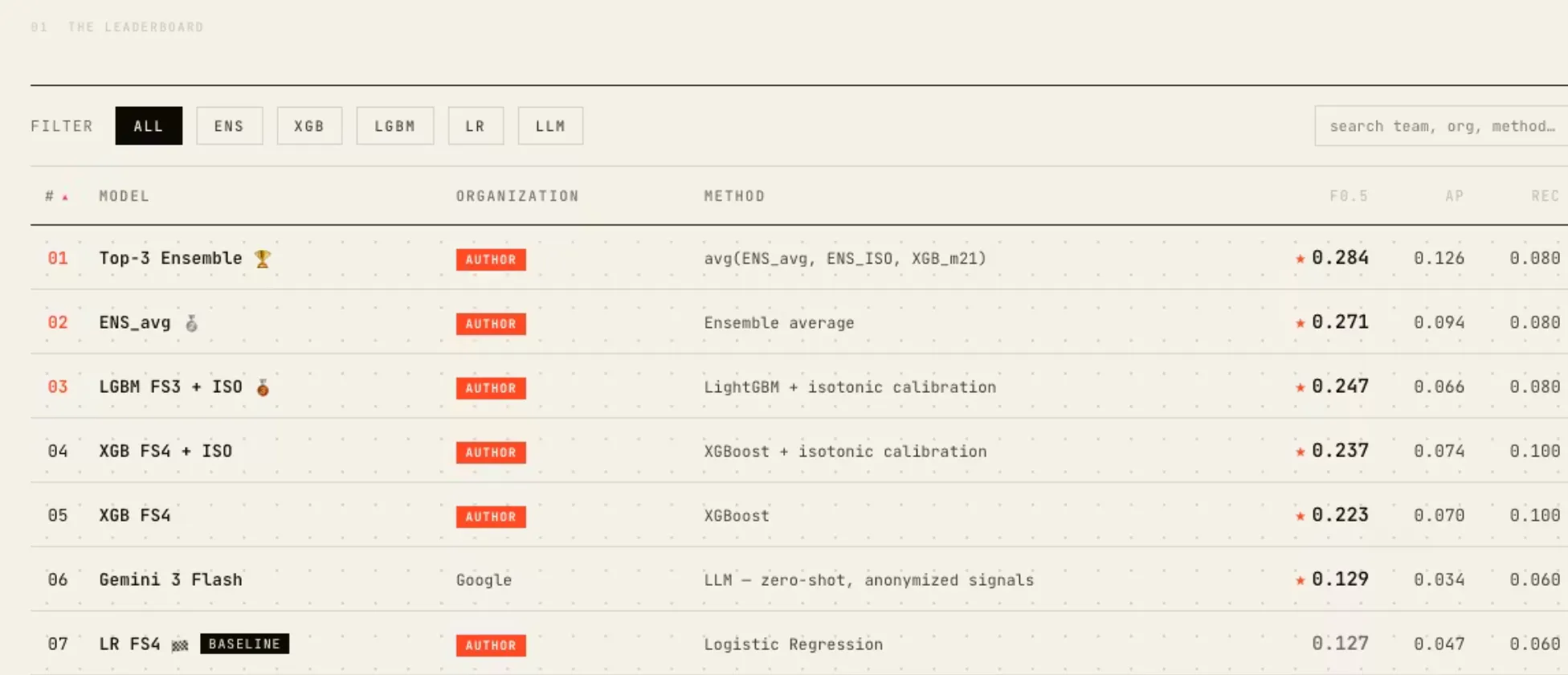
PHBench is from Vela Partners — a quant VC that launched in 2023 and describes itself as "turning art into science through AI" — and it claims to predict, from a Product Hunt launch page alone, which companies will go on to raise a Series A.
🔥 Our Take: The interesting question isn't whether the model is accurate — it's what it tells you if it is. If a VC's algorithm can predict Series A outcomes from a PH page, that's either a signal that early traction signals are genuinely predictive, or that VCs are pattern-matching on things they shouldn't be. Either answer is worth knowing. Today is probably the best possible day to run it.
So we’re just… talking to software now?
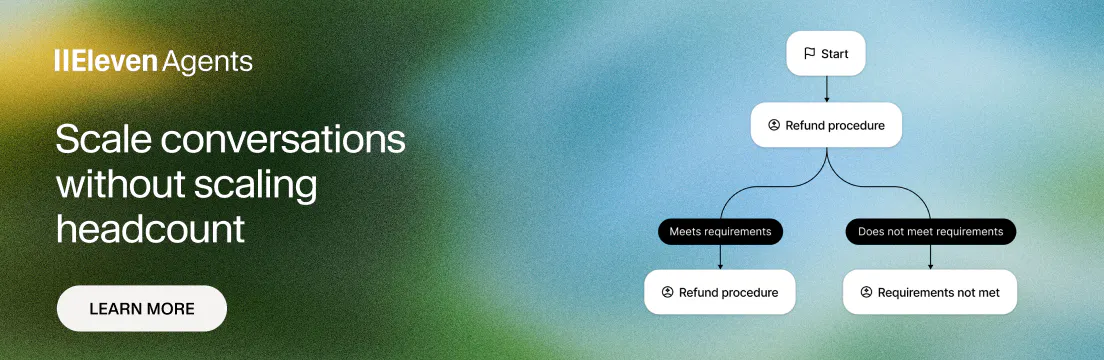
ElevenLabs has been the go-to for voice for a while. Now they've turned that expertise into agents that actually get things done. You set one up, it talks like a real person, listens, responds, and helps handle the task — support calls, bookings, whatever the job is. Not a demo, not a "press 1 for sales" situation. It's ready to deploy. Feels like one of those shifts where the interface quietly changes. Less typing, less clicking, more just saying what needs to happen and letting it play out.
A Game Boy for your agent runs

Standboy is a VS Code extension by Michael Fabozzi that shows a working Game Boy emulator in your sidebar whenever an AI agent is running and hides it the moment the agent stops.
🔥 Our Take: Every other tool in this space is trying to make agentic coding more productive. Standboy is trying to make it more fun. While your tokens burn, Mario runs. It's a small thing and it's completely unnecessary and you're going to install it anyway.
The $40 bill from a $5 task
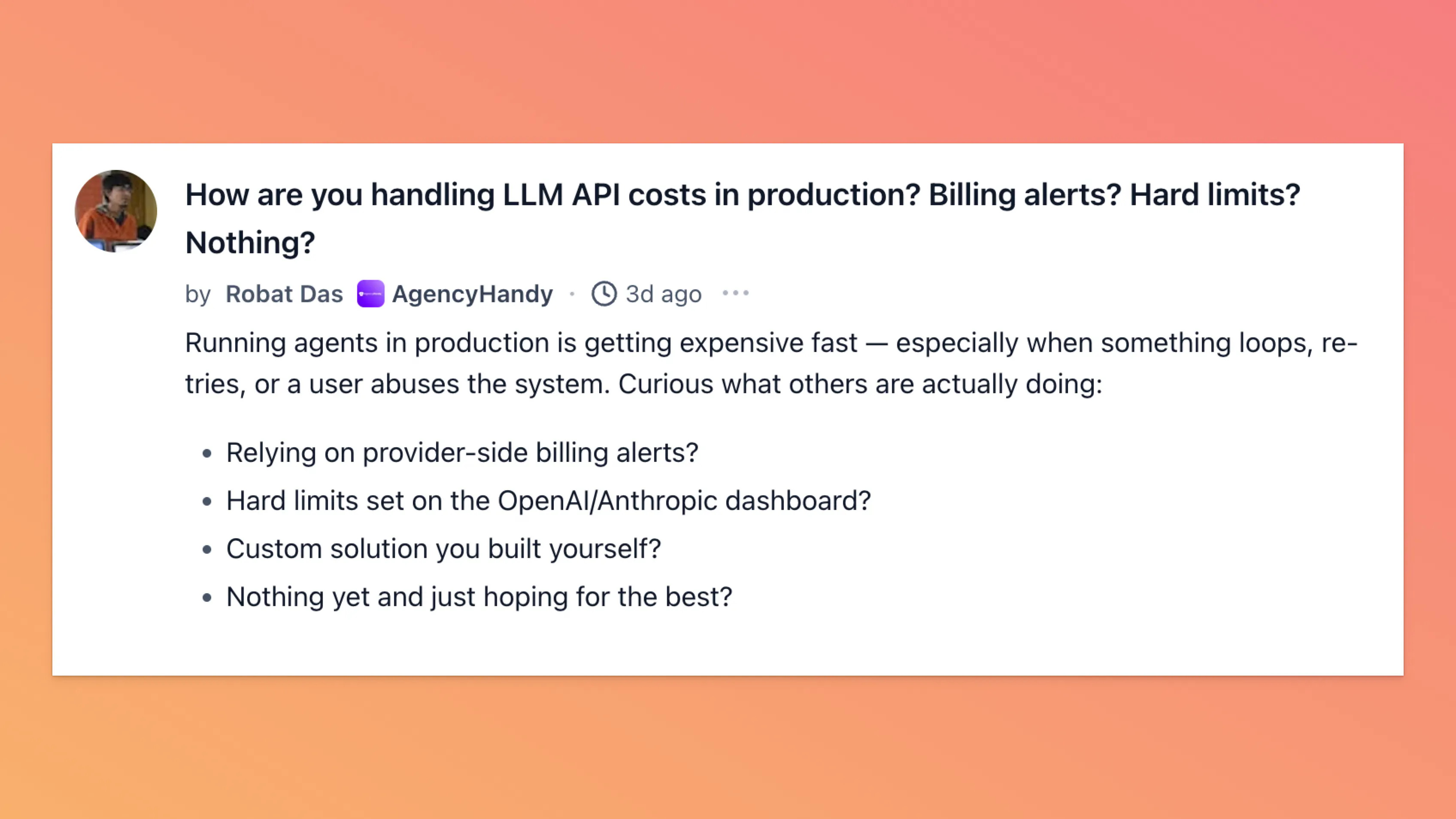
Robat Das (@robat_das) asked a pointed question: how are you actually managing LLM API costs in production? Billing alerts, hard limits, custom dashboards, or nothing?
The consensus was that provider-side tools aren't enough. Teams running multi-tenant SaaS need per-user tracking and real-time visibility on loops and retries that don't show up until the monthly invoice. One commenter reported a $40 charge from what should have been a $5 task because an unexpected loop ran unchecked.
The sharpest tension: hard limits work, but they create awkward mid-task cutoffs that are hard to explain to users when something just stops.
Good thread if you've been shipping agents in production and aren't sure your billing setup would catch a runaway loop before it caught you.
Daily Top Products


Monday through Friday
Our ultra-fast Daily: Three takes on new products. Yesterday’s top ten launches. That’s it.