Prosocial Design Library

Prosocial Design Library

UI elements that could help users get along.

2 followers

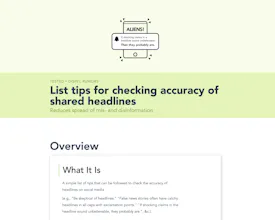
The Prosocial Design Library is a pattern library of evidence-backed design elements, which claim to induce prosocial outcomes. Examples of prosocial outcomes include: less dysfunction in communities, and more understanding among users.
Prosocial Design Library gallery image
Launch Team
Universal-3 Pro by AssemblyAI
Speech-to-text that finally understands context
Promoted

What do you think? …

Sasha Geo
Awesome initiative, I propose to expand the Job Cases of this platform towards comprehensive knowledge of UX
John Fallot
@sasha_geo As a nonprofit, we're focusing more exclusively on this one issue of prosocial design in technology. There's still a whole bunch to explore and distill in this field, and it's honestly very exciting. That said, there are some promising encyclopedias out there. I'd recommend the Design System Encyclopedia as a good example — https://design-encyclopedia.webf...
Sasha Geo
Chris Messina
Been watching @john_fallot build this project for several months now — very excited to see it launch!
Dee Aero
Good one! Congrats with running! ;)
John Fallot
I'm John Fallot, one of the co-founders of the Prosocial Design Network and co-creator of its Prosocial Design Library. The idea for the library was primarily a response to the lack of accessible, empirical data to back up the ideas for countering the most pressing drawbacks of the Web: disinformation, hostility, cyberhate, the works. It also came out of a desire to catalog the bright spots of the social web: we know that social networks shouldn't do things X, Y, and Z, but what superior alternatives then might take their place? We wanted to lay out the key changes that designers and companies could make to their products to encourage their products to promote prosocial behaviors — modes of being like altruism, gratitude, empathy, understanding, and compassion. The library is broken down into two clusters: Tested Interventions and Untested Interventions. Tested Interventions have undergone experimentation, whereas Untested Interventions lack that experimentation (although they may, occasionally, have observational studies suggesting that something might be there). Each entry in the library includes a top level overview of the design element, screenshots of what it looks like in action, an overall grade for the evidence backing it, and then citations. Our aim is to be an educational resource for designers and teams looking to help their users get along. If you have any additional questions, I'd be happy to answer them. Thanks!
Monica Tate
Good.