
BrightBean Studio
Open-source Buffer alternative for social media teams
87 followers
Open-source Buffer alternative for social media teams
87 followers
BrightBean Studio is a free, open-source Buffer alternative for social media teams, agencies and small businesses. Schedule and publish to 10+ platforms, manage approvals, analytics and inboxes, and connect AI agents through the built-in MCP server and REST API.




Hey Product Hunt 👋
BrightBean Studio started because we got tired of how expensive social media management tools become once you add more clients, workspaces and users.
My girlfriend runs a small social media agency managing several local businesses. She was paying roughly $400/month across tools like Sendible and Later, and the bill kept growing with every new client.
So I built the alternative we wanted.
BrightBean Studio is an open-source alternative to Buffer, Sendible and SocialPilot for people who need more than a basic scheduler but don't want another expensive per-seat SaaS subscription.
It lets you:
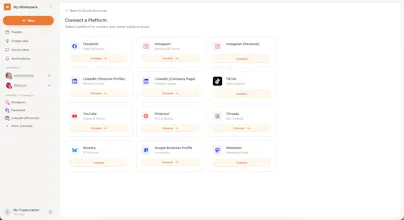
📣 Schedule and publish across 10+ platforms, including Instagram, Facebook, LinkedIn, TikTok, YouTube, Pinterest, Threads and Google Business Profile
🏢 Manage multiple brands and clients from separate workspaces
🗓️ Plan content in a visual calendar with queues and recurring posting slots
🤖 Connect AI agents through the built-in MCP server and REST API to create, schedule and manage content programmatically
💬 Manage comments, mentions and DMs from a unified inbox
📊 Track post and channel analytics
🔗 Send clients a magic link to review and approve posts without creating an account
👥 Add as many users and workspaces as you need without per-seat pricing
You can self-host BrightBean Studio on your own infrastructure, and the whole project is open source under AGPL-3.0.
For people who don't want to deal with hosting, setup and maintenance, there's also a free hosted version.
The project has now passed 2,400 GitHub stars, and the response has convinced us there are a lot of people looking for a more open alternative to the existing social media management stack.
We'd especially love feedback from anyone currently using Buffer, Hootsuite, Sendible, Later or SocialPilot:
What would make you actually switch?
@jan_schmitz1 What's the plan for keeping the free hosted version going without drifting back to per-seat pricing once agencies start piling in clients? That's usually the point where the "no per-seat" promise quietly changes.
@jan_schmitz1 Didn't know Railway did that. So every self-hoster who deploys from your template is basically paying for the free hosted tier? That's a neat way to stay free without a paid plan.
Honestly, I'm the opposite problem, I built my product for months and never posted about it once. For one person who's barely starting to do social media, is this overkill or would I actually get use out of it?
What I don't get is what's in it for you, if there's no pricing at all and never will be. Is it just for the love of it, or is there a plan behind it/monetizing it? Either way, respect for open sourcing it. I can't stand having to keep track of 20 different links and copy paste the same thing over and over again so I can see myself using this. Much love!
Was just spending time investigating Buffer alternatives this week! This looks really nice. We're going to try it and see how it goes. If someone did enable the autopilot features, how tunable is the creative and can you pick and choose which channels get generated content versus more bespoke stuff we design in-house?
the $400/month-across-tools origin story tracks, that's exactly the per-client pricing tax that pushes agencies toward self-hosting. the part I'd ask about before migrating a real agency onto this: for a multi-client setup, is each client's set of platform API keys and rate limits isolated per workspace, or does self-hosting mean you're the one watching for one client's posting volume eating into another client's rate limit on the same shared app credentials
@galdayan self-hosting means you have to bring your own developer credentials from the social media platforms you want to post to. Hence no sharing of API quota
@jan_schmitz1 that's the clean answer, actually, it means the isolation problem just goes away because there's nothing shared to isolate. the tradeoff moves to onboarding then, someone at the agency has to walk each client through creating their own developer app per platform, which is a bigger lift than "add your Buffer login" but a much smaller blast radius if one client does something that gets their app flagged.
A client review link that works without an account is a thoughtful detail. It makes that quick approval feel like a much smaller ask. Congrats, Jan!