
GBrain
Garry Tan's AI memory, tools, & skills for any harness
133 followers
Garry Tan's AI memory, tools, & skills for any harness
133 followers
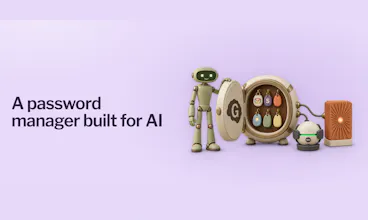
GBrain gives you a memory and a set of connected accounts that every AI can reach. Write a note in Claude Code and ChatGPT knows it. Connect Gmail once and Cursor can search it with no key in a config file. The memory is a folder of markdown files you can read, correct and take with you. Run it on your own inference or ours, in a workspace your whole team shares. $100 off the first month for a team workspace at https://gbrain.io/gratis/product-hunt



Payment Required
Launch Team / Built With

Viktor.comAn AI coworker that actually does the work
Promoted

No key in a config file is a nice developer experience improvement. Is the account connection handled entirely through G Brain or can teams still access at the individual tool level?
GBrain
@fastri_lasy https://gbrain.io/tools gives you a decent overview of how it works.
The tl;dr, you hook everything up once to GBrain; MCPs, Google accounts, etc. We encrypt and store those credentials in our database, then you can expose them as a single MCP endpoint or even a CLI to an agent on the other side and they never see your API keys or credentials. There's even a rate-limiter built in that can turn off access to accounts if a harness goes haywire using a tool and an activity log so you can see exactly what accounts/tools your AI harnesses are calling.
How does privacy work in GBrain? There could be data that I’m comfortable sharing with certain tools, but not with others. Does it account for these content specific permissions, or does it sync everything across connected tools regardless of whether that data is restricted to only certain tools? or does it analyze the content and simply avoid storing certain information in memory?
GBrain
@pulkit_gaur this should give you a pretty good idea of how we think about giving people tools so they can see how AI uses their data. I built this because I wanted to hook accounts up to various harnesses on a limited basis.
Each connection also has expiration dates, so if you drop it into a new harness like Muse to try it out for a few days, you might grant it access for 1 day, or in the case of this picture only laptop I granted access for a year.
As far as data we store goes, we have a privacy policy that covers it. The tl;dr there is when you delete your data, its gone on our systems.
Is there a self-hostable option?
GBrain
@curtastrophe yep! GBrain will always be open source, but it takes a bit more work getting it setup. Source at https://github.com/garrytan/gbrain. The rest of the stack is not self-hostable at the moment.
GBrain
Hi Product Hunt, I'm Brad, one of the people building GBrain. I'll be in the comments all day if you have questions.
I switched my main AI tool three times last year, and each time I lost everything it knew about my work. I spent the first week with every new tool explaining my projects all over again.
GBrain keeps that memory outside any one AI. ChatGPT, Claude, Claude Code and Cursor all read and write the same notes, so something you save from the terminal is there when you ask in the browser. The notes are plain text files. You can open them, fix what's wrong, or copy them out and leave.
It also holds your accounts. Connect Gmail and your calendar once, and every AI you use gets the same tools. The AI never sees your passwords or keys. Tools is one of my personal favorite parts of GBrain because I'm on the more paranoid side of data sharing and wanted a way to see how AI was using my data, which is why we have the activity log.
We use it as a team. Everyone works in the same thread with one assistant, so nobody has to catch it up on a project someone else already explained. We have a daily sync hooked up to Github, Gmail, Stripe, and Mercury that tells us what's up once per day over email.
You can pick which model it runs on and change it later without losing anything. It comes with ready-made jobs, like a brief on everyone you're meeting tomorrow, and you can put them on a schedule.
It doesn't work with the ChatGPT or Claude subscription you already pay for yet. You bring an API key or use the usage that's included. That's the next thing I want to fix.
I'd rather talk than write a longer post. Ask me why you'd want this, whether it fits how you work, or how it's different from the memory ChatGPT and Claude already have. And if you've switched AI tools before, tell me what you lost.
That's what we're building from.
For Product Hunt, the first month is $99 instead of $199, with $100 of AI usage included, through September 30: gbrain.io/gratis/product-hunt. If you need help getting setup you can email support@gbrain.io and you'll get myself or one of my cofounders.
Dial
the "memory is a folder of markdown files you can read, correct and take with you" line is the part that'd get me to actually try this over yet another vendor-locked memory feature. real question: when Claude Code and Cursor both write to the same memory file within a few minutes of each other, is there any conflict resolution, or is it just last write wins and you're expected to notice the diff yourself in the markdown