tested this directly in AI Studio rather than just reading the launch post. zero setup since I already had a Google account logged in, went straight from the playground to generating a speech clip. gave it a line of dialogue with a hard tone shift in the middle (calm to panicked) plus a couple of vocal-burst tags like <gasp>, and it generated a 9-second clip in a few seconds with no fiddling. the tag system (style, expression, per-speaker settings) is more control than I expected from something this fast, and the dual-speaker screenplay mode is a real differentiator versus single-voice TTS APIs where you have to stitch turns together yourself.


Hey Hunters, I am excited to hunt! 🚀
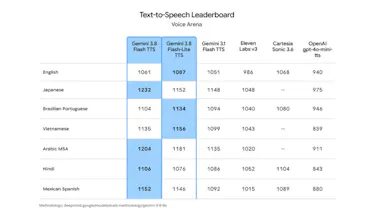
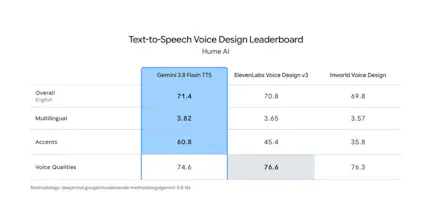
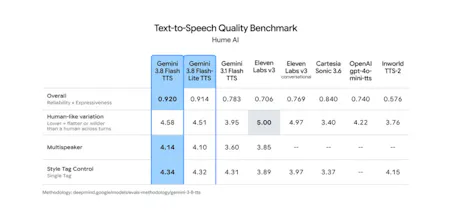
Gemini 3.8 Flash and Flash-Lite TTS look like a big step forward for AI voice generation. What really caught my attention is the combination of creative voice control and the ability to scale audio production.
With 2,000+ production-ready voices, 100-language support, voice replication, custom vocal personas, and natural-language control over pacing, dialects, and delivery, there are so many possibilities here. 🔊
Flash TTS seems especially interesting for interactive experiences, AI characters, games, and storytelling, while Flash-Lite could be useful for large-scale audiobook production and dubbing.
I’m curious — what’s the first thing you would build with these new TTS models? 👀
Man, Gemini TTS is really, really nice and I'm hoping that this kind of gets rid of a lot of the horrible AI voices we hear all over the place.
the "direct scene dialogue" framing is the interesting bit here versus a normal TTS API - most voice APIs make you stitch turns together yourself and the seams show. curious how it handles a character's tone shifting mid-scene, like calm to panicked in the same block of dialogue, without it sounding like two different voice clips glued together