
Linforge
Turn Anki flashcards into real English conversations
58 followers
Turn Anki flashcards into real English conversations
58 followers
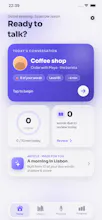
Practice English speaking like you're chatting with a real person. Linforge gives instant phoneme-level pronunciation and grammar correction on every sentence, syncs with your Anki decks, and tracks your progress over time.



Free Options
Launch Team / Built With


Customer.ioAutomate Messaging Everywhere — Startups Get 12 Months Free
Promoted
most of my Anki decks are just a word and a translation, no example sentence, no context. how does Linforge turn something that bare into a conversation prompt - does it need decks with example sentences already in them to work well, or can it generate a plausible context around a single word/definition pair on its own? curious because my messiest decks are the ones I'd actually want help drilling
@galdayan A word–translation pair is enough—Linforge doesn’t require existing example sentences. It uses your cards as target vocabulary, groups words that can fit naturally into the same situation, and generates the missing context around them. It avoids forcing unrelated words into one awkward conversation by practising them in separate scenarios when needed. Ambiguous words can still require some inference, and improving that sense selection is one of the areas I’m actively working on.
@v_jack makes sense on the grouping side. on the ambiguous-word case specifically - when there's genuinely nothing in the deck to disambiguate from (say "bank" with no other financial or river-adjacent cards nearby), what does it fall back to? most common sense by default, or does it just pick a scenario and commit, leaving it on me to notice the wrong sense got drilled? that failure mode seems worse than an awkward-but-correct sentence, since it'd teach the wrong meaning without me realizing it happened.
Will other languages be gradually included?
@busmark_w_nika coming soon